
- All
- Product Name
- Product Keyword
- Product Model
- Product Summary
- Product Description
- Multi Field Search
Please Choose Your Language


Views: 0 Author: Site Editor Publish Time: 2026-04-23 Origin: Site


Can you imagine industrial production without clean water or pure ingredients? In chemical and mining sectors, a liquid solid separator acts as a vital unit operation to remove suspended solids from slurries. This guide explores how these systems function and help you optimize process efficiency.
● Core Function: A liquid solid separator is a critical industrial tool designed to remove suspended solids from liquid slurries through physical mechanisms.
● Primary Mechanisms: Separation relies on gravity (sedimentation), pressure (filtration), or rotational forces (centrifugation) to isolate different phases.
● Efficiency Factors: Process performance is heavily influenced by particle size distribution, liquid viscosity, temperature, and the use of chemical flocculants.
● Equipment Variety: Specialized hardware like filter presses, centrifuges, and Nutsche filter-dryers are selected based on specific moisture requirements and material properties.
● Industrial Benefits: Implementing advanced separation systems can recover up to 90% of process water, significantly reducing costs and environmental impact.
● Strategic Selection: Choosing the right equipment requires analyzing material scale, long-term operating costs, and conducting pilot testing with expert partners.
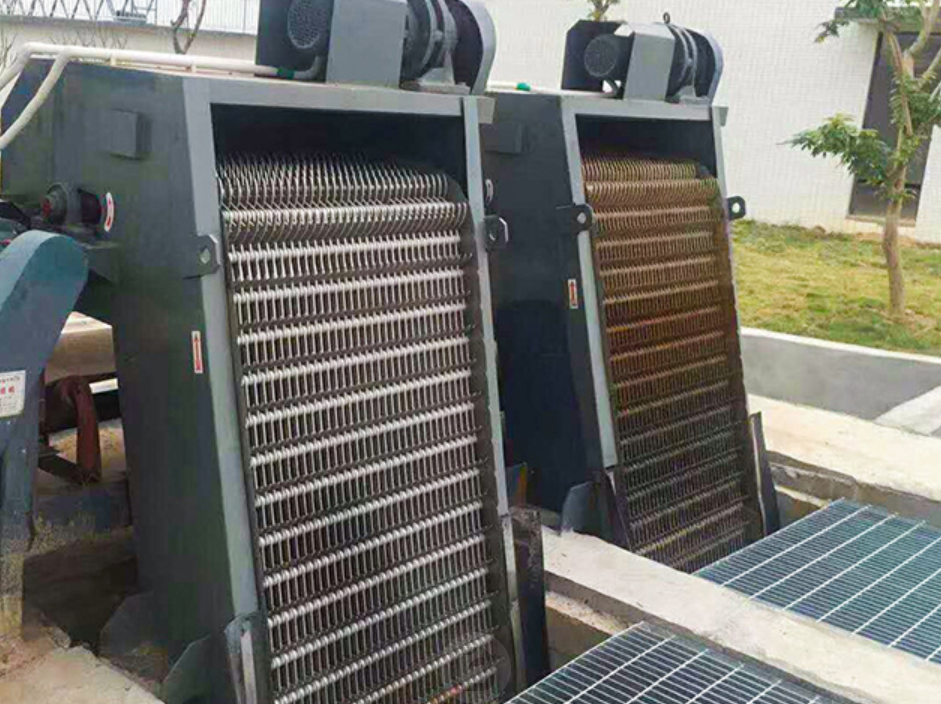
The fundamental operation of a liquid solid separator relies on exploiting physical differences between phases, primarily particle size, density, and shape. Depending on your specific goals, the desired output might be the purified liquid (filtrate), the isolated solids, or both.
Filtration is a primary mechanism where a porous medium captures solid particles while allowing the liquid phase to pass through. This process often uses applied pressure differentials to force liquid through the filter media, effectively retaining the solids on the surface.
Sedimentation occurs when solids settle out of a liquid under the influence of gravity. This relies on differential settling rates where denser particles naturally separate from lighter liquid phases.
Centrifugation uses high-speed rotation to create strong centrifugal forces. These forces accelerate the separation of solids from liquids, which is particularly effective for fine particles that might resist standard gravity settling.
Separation efficiency is heavily dictated by particle size distribution. While coarser materials separate easily, finer particles often require more sophisticated techniques or specialized equipment to achieve high clarity.
In many industrial workflows, chemical additives like flocculants are used to promote particle agglomeration. They create larger, heavier masses that settle more quickly or are more easily captured by filter media.
Process conditions significantly alter performance. For instance, higher temperatures can reduce liquid viscosity and improve particle mobility, while pH levels can change how particles aggregate.
Note:Modern automated systems now continuously monitor parameters like pH and temperature to maintain optimal separation performance.
Choosing the right hardware is essential for meeting specific dryness or clarity requirements.
Centrifuges provide fast, efficient separation and are ideal for processes requiring significantly reduced moisture content in solids. Options include vertical, horizontal, and inverting designs to fit different space and material constraints.
Filter presses are widely used in mining and heavy industry. They apply high pressure to force liquid through filter cloths, producing a dry "cake" with very low residual moisture. Advanced versions can achieve over 98% availability through smart monitoring.
For high-volume applications, disc and belt filters offer continuous operation. Disc filters use rotating ceramic or cloth discs to filter slurry, while belt filters employ moving media to handle massive throughput rates.
These systems combine filtration, washing, and drying within a single closed system. They are perfectly suited for high-purity pharmaceutical applications where avoiding contamination is the top priority.
Equipment Type | Primary Mechanism | Best Use Case |
Centrifuge | Centrifugal Force | Low moisture requirements; fine particles |
Filter Press | Pressure | Mining; producing very dry solid cakes |
Belt Filter | Vacuum/Pressure | High-volume, continuous industrial flows |
Nutsche Filter | Pressure/Vacuum | Pharmaceutical APIs; high-purity washing |
Note:When handling hazardous or potent substances, prioritize closed systems like Nutsche filter-dryers to ensure operator safety and regulatory compliance.
The role of a liquid solid separator changes depending on the industry, but its importance as a backbone for profitability remains constant.
In this sector, separation impacts the quality of active pharmaceutical ingredients (APIs). Systems must be able to displace mother liquor and remove impurities through washing steps to ensure chemical purity.
Mining operations use these separators to recover valuable minerals and manage tailings. They form the core of mineral processing workflows, directly affecting plant efficiency and environmental compliance.
Effective separation systems can recover up to 90% of process water. This significantly reduces fresh water consumption and helps facilities meet strict environmental discharge standards.
Even with the best equipment, engineers face several routine hurdles that can degrade performance.
Changes in particle size or viscosity can suddenly drop your separation efficiency. You must ensure your equipment is flexible enough to handle these fluctuations without constant manual recalibration.
Higher production rates often lead to a trade-off in quality. If the equipment is not properly sized, increasing the speed may result in cloudy liquid (filtrate) or overly wet solids.
Filters and centrifuges face immense mechanical stress and harsh chemical environments. This requires durable designs and a rigorous maintenance schedule to prevent unexpected downtime.
Many processes involve flammable or potent materials. Modern systems use integrated, skid-mounted, or turnkey solutions to improve containment and protect the workforce.
Note:Regularly inspect filter media and mechanical seals to prevent efficiency losses and ensure the longevity of your separation equipment.
Upgrading to advanced liquid solid separator technology offers benefits that go beyond simple dewatering.
Modern systems are essential for water conservation. By recovering a high percentage of process water for reuse, companies lower their utility costs and support global sustainability goals.
Automated systems minimize the need for manual intervention. This reduces labor costs and improves safety standards while ensuring consistent product quality through higher uptime.
Newer filtration technologies often consume less energy than traditional thermal drying methods. This reduction in energy usage directly translates to lower operational expenses and a better bottom line.
Note:Efficient separation can recover up to 90% of process water, which is a massive cost-saver for water-intensive industries like mining.
Selecting a partner and a machine requires looking at the long-term lifecycle rather than just the initial price tag.
Your choice depends on material properties, the scale of production, and your specific regulatory environment. Factors like particle shape and the corrosiveness of the liquid must dictate the materials used in the separator's construction.
Beyond the purchase price, consider maintenance, energy consumption, and the cost of consumables like filter cloths or flocculants. A machine with a higher upfront cost might be cheaper over five years if it is more energy-efficient.
Never guess which technology will work for your slurry. Work with partners who offer pilot testing and global service support to ensure the solution is tailored to your specific chemical or mineral process.
Note:Always request a pilot test with your actual material samples before finalizing an equipment purchase to verify that the separator meets your clarity and moisture targets.
A liquid solid separator drives industrial efficiency by ensuring product purity, safety, and sustainability. Understanding mechanical principles and operational challenges helps you optimize quality while lowering costs. Changzhou Aoteng Environmental Engineering Co., Ltd. offers reliable technologies designed for long-term performance. Their advanced systems provide exceptional value by maximizing water recovery and reducing manual intervention. Contact their experts today to discuss your specific separation needs.
A: It removes suspended solids from slurries to ensure product purity and process efficiency.
A: It uses physical forces like gravity, pressure, or centrifugal acceleration to isolate particles from liquids.
A: It enables mineral recovery, water conservation, and compliance with environmental regulations.
A: Nutsche filter-dryers are ideal because they combine filtration, washing, and drying in closed systems.


