
- All
- Product Name
- Product Keyword
- Product Model
- Product Summary
- Product Description
- Multi Field Search
Please Choose Your Language


Views: 0 Author: Site Editor Publish Time: 2026-08-22 Origin: Site


Upgrading headworks infrastructure is a capital-intensive decision. Relying on manual screens for too long risks downstream equipment damage. Conversely, upgrading prematurely ties up valuable capital. We must define the transitional tipping point in wastewater treatment. This shift involves moving from labor-heavy coarse screening to a fully automated mechanical bar screen setup. This guide provides a comprehensive framework to evaluate vital operational thresholds. You can assess base operational economics effectively. You will determine if an automated system aligns seamlessly with your facility. Process requirements and strict compliance standards demand reliable primary treatment. We explore specific flow triggers for necessary modernization. You will discover how to measure the true return on investment accurately. By the end, you will understand how automation guarantees robust downstream protection. Your treatment plant will operate safer and much more efficiently.
Every growing wastewater facility eventually hits an operational ceiling. You reach a distinct friction point where manual screens simply fail to scale. When debris volumes increase slightly, operators can usually manage the load. However, unpredictable influxes create massive operational bottlenecks. These sudden surges overwhelm human capabilities. Facilities begin losing control over their primary treatment phases. We must identify these exact friction points to justify modernization.
Manual screens carry severe hidden costs. Labor metrics rarely capture the full picture of these expenses. Operators face significant exposure to dangerous pathogens during every cleaning cycle. Lifting heavy, waterlogged debris repeatedly introduces severe musculoskeletal injury risks. These physical tolls lead to increased workers' compensation claims and absenteeism. Furthermore, off-hours emergency call-outs drain facility budgets rapidly. Waking up a skilled operator at 3 AM just to rake wet wipes is highly inefficient.
Delayed manual cleaning inevitably leads to screen "blinding." A dense mat of rags and plastics forms across the metal bars. This impenetrable layer blocks the channel flow entirely. Upstream backups occur quickly as the water level rises rapidly. These backups cause unwanted bypass events. Raw, untreated sewage might spill into local waterways. Regulators issue massive fines for these permit violations. Blinding incidents damage public trust and municipal reputations permanently.
The final verdict relies on a clear heuristic. Look closely at your incoming debris loads. If your facility experiences unpredictable debris loading that outpaces human response times, automation becomes a necessary safeguard. You cannot rely on manual labor to predict flash floods. Human operators cannot stand guard 24/7 during heavy storm events. Automated systems respond dynamically to rising water levels. They remove human limitations from your most vulnerable process bottleneck.
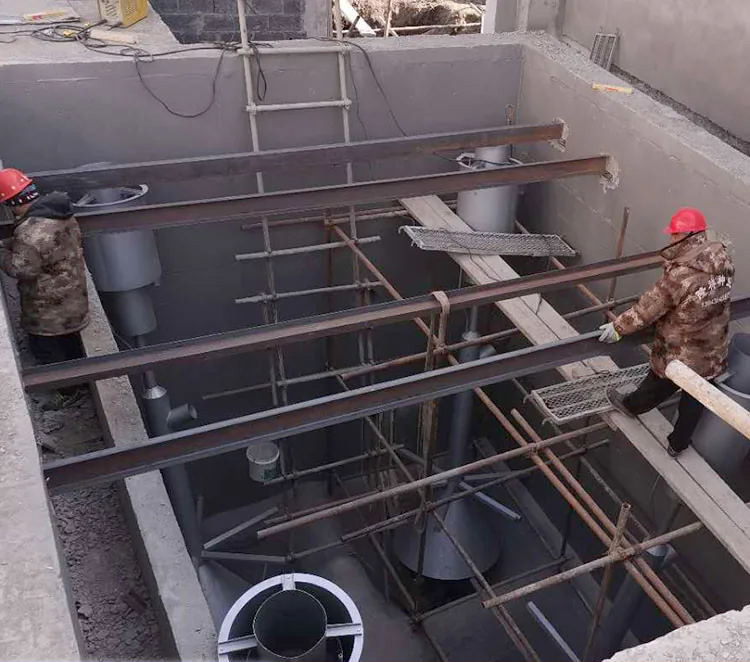
Upgrading your inlet screening system requires identifying specific environmental and process triggers. Flow dynamics play the most critical role here. Facilities facing highly variable influent rates absolutely need mechanical systems. Combined sewer overflows (CSOs) introduce sudden, violent surges of water and debris. Seasonal storm surges push immense volumes of urban runoff into treatment plants. Automated screens react instantly to these flow changes. They speed up their cleaning cycles automatically when water levels peak.
Debris characterization also dictates your equipment choices. High-load scenarios present unique challenges for older plants. Modern sewage contains heavy concentrations of synthetic materials. "Flushable" wipes, industrial discharge, and heavy plastics dominate the influent stream. A standard coarse solids screen is entirely inadequate here without mechanical rakes. Manual clearing cannot handle the sheer tensile strength of modern rag mats. Only motorized rakes provide the necessary torque to tear these mats away.
Downstream vulnerability forces many plant managers to upgrade. Coarse debris bypasses overloaded manual screens constantly. This rogue material wreaks havoc on subsequent treatment stages.
Environmental compliance and system redundancy often mandate these upgrades. State and federal regulators aggressively monitor overflow events. Municipal compliance agreements increasingly require automated primary screening. Authorities want hard guarantees against untreated overflow. Adding mechanical units provides this necessary operational redundancy. It proves to regulators your facility operates proactively rather than reactively.
Determining the real value of an upgrade requires examining comprehensive economics. You must look far beyond the initial purchase price. The financial framework contrasts high initial CapEx against long-term OpEx reductions. Purchasing and installing motorized wastewater screening equipment requires substantial upfront capital. However, these automated systems drastically slash daily operational expenses. They virtually eliminate overtime pay linked to emergency cleanings.
Calculating the equipment lifespan involves multiple variables. You must factor in typical wear-and-tear timelines accurately. Submerged chains and sprockets degrade over time. Motor replacement cycles usually occur every five to seven years. Energy consumption adds to the lifetime expense. However, modern variable frequency drives (VFDs) keep electricity costs remarkably low. A well-maintained system easily operates reliably for over two decades.
Cost avoidance serves as the most powerful ROI metric. We must quantify the specific expenses you avoid by upgrading.
Finally, consider the benefits of labor reallocation. Frame the ROI not as "eliminating jobs." Instead, view it as reallocating skilled operator hours. Basic raking represents a terrible use of trained talent. Plant operators hold valuable certifications. Automation frees these experts from mindless physical labor. They can redirect their focus toward process optimization. They can perform vital predictive maintenance on biological treatment systems. This shift fundamentally elevates the operational intelligence of your entire facility.
Choosing the right unit requires precise engineering assessments. Screen spacing and velocity dictate the performance of your headworks. You must carefully balance bar spacing with channel approach velocity. Standard municipal bar spacing typically ranges from 6mm to 50mm. Narrower gaps capture more material but increase headloss. High approach velocities force pliable debris directly through the bars. Low velocities cause grit to settle prematurely in the channel. Engineering the perfect flow profile prevents both headloss and debris extrusion.
Equipment typologies vary significantly based on channel depth and debris type. Continuous belt screens utilize interlocking panels to lift debris. Reciprocating rakes use a single arm to clean the bar rack efficiently. A CF bar screen (Center Flow) routes water into the center of a rotating basket. The center flow design prevents debris bypass highly effectively. Each typology offers distinct structural advantages for different municipal scenarios.
| Screen Type | Best For | Primary Advantage | Common Limitation |
|---|---|---|---|
| Reciprocating Rake | Deep channels, heavy solids | All moving parts stay above water | Slower cleaning cycle times |
| Continuous Belt | Shallow channels, high flow | Rapid, continuous debris removal | More submerged moving parts |
| Center Flow (CF) | Fine capture, sensitive downstream | Zero debris bypass capability | Requires specific channel profiles |
Material selection determines your long-term success. Aggressive wastewater influent destroys inferior metals rapidly. Hydrogen sulfide gases cause severe corrosion in enclosed headworks. You must emphasize the necessity of corrosion-resistant materials. Grades 304 or 316 stainless steel represent the industry standard. Facilities handling industrial acidic discharge should default to 316 stainless steel. Carbon steel components have absolutely no place in modern wastewater screening.
Control integration unlocks the true power of automation. Standalone screens provide limited value. You must integrate the screen's control panel into the plant’s SCADA system. We achieve this using ultrasonic differential level sensors. One sensor measures water depth upstream. The other measures water depth downstream. When the differential reaches a specific setpoint, the screen activates automatically. This demand-based operation saves electricity and drastically reduces unnecessary mechanical wear.
Modernizing your headworks involves navigating temporary chaos. Installation disruptions represent a harsh reality of retrofitting. You cannot simply drop a new unit into a flowing sewage channel. Facilities require extensive bypass pumping during the installation window. Civil contractors often perform concrete channel modifications. They must perfectly align the new frame to prevent rogue flow. Plant managers must schedule this temporary downtime during historical low-flow seasons.
Automated systems introduce new mechanical failure points. We must remain completely transparent about these new risks. Unexpected heavy objects routinely enter the sewer system. Concrete chunks, heavy lumber, and tires travel down municipal pipes. When these items hit the bars, they cause catastrophic jams. Shear pins intentionally break to protect the main drive motor. Drive chains elongate over time due to constant tension. Rake teeth occasionally bend or snap. You must stock spare parts to address these inevitable events.
Environmental challenges complicate outdoor installations significantly. Automated screens in outdoor channels face severe winterization requirements. Freezing temperatures halt mechanical operations instantly. Wet rags turn into solid ice blocks on the discharge chute. Facilities must install heavy-duty heat tracing along the frame. Insulated enclosures protect the motors and gearboxes from freezing rain. Sometimes, operators must run the rakes in continuous operation modes strictly to prevent channel freezing.
Adopting a strict routine maintenance protocol is non-negotiable. "Automated" definitely does not mean "zero-maintenance." Operators must adhere to a high-level operational checklist weekly.
Ignoring this protocol guarantees premature equipment failure. Proper maintenance transforms an expensive piece of machinery into a reliable, decades-long asset.
The decision to implement automated screening ultimately hinges on three pillars. You must evaluate your facility's flow volatility carefully. You must assess the hidden burden of your current manual labor costs. Most importantly, you must prioritize downstream equipment protection. Upgrading your headworks creates a protective shield for your entire biological treatment process. It prevents expensive, cascading mechanical failures throughout the plant.
Plant managers should adopt a strategic shortlisting logic. Start by auditing your current bypass frequencies. Review your manual labor logs meticulously over a 90-day period. Document every emergency call-out and pump clog incident. Quantifying these exact pain points helps you build an undeniable business case. Hard data easily justifies the necessary capital expenditure to municipal boards.
Your next step requires highly specialized technical input. Do not guess your channel velocity. Encourage your team to consult an experienced application engineer immediately. Have them conduct a comprehensive channel sizing assessment. Let them perform precise headloss calculations based on your peak hourly flow. Gather this critical engineering data before you request any formal vendor quotes.
A: A well-engineered unit typically lasts 15 to 20 years or more. This lifespan remains heavily contingent on preventative maintenance schedules. Material selection plays a massive role; 316 stainless steel outlasts inferior metals. Operating environments with highly corrosive industrial flows may slightly reduce this baseline expectation.
A: Yes. Manufacturers frequently design custom-sized mechanical screens to drop directly into existing civil works. However, installation usually requires slight concrete channel modifications. Contractors apply specialized grouting to ensure a flush seal, completely preventing raw debris from bypassing the new frame.
A: These systems utilize mechanical over-torque protection. When a heavy object like a cinder block jams the rakes, shear pins break safely. Alternatively, current-limiting Variable Frequency Drives (VFDs) detect the resistance spike instantly. The system stops the motor immediately, reversing the rake to prevent catastrophic equipment damage.


