
- All
- Product Name
- Product Keyword
- Product Model
- Product Summary
- Product Description
- Multi Field Search
Please Choose Your Language


Views: 0 Author: Site Editor Publish Time: 2026-04-23 Origin: Site


Can a single piece of grit cripple an entire treatment plant? It happens more often than you think. Effective wastewater pretreatment equipment acts as a critical defense, removing solids and grease to prevent downstream failure. In this guide, you will learn which machines maximize operational efficiency.
● Crucial Protection: High-quality wastewater pretreatment equipment acts as a primary defense, preventing abrasive grit and large debris from damaging sensitive downstream pumps and biological reactors.
● Diverse Machinery: Effective systems typically integrate a combination of mechanical bar screens, vortex grit concentrators, and Dissolved Air Flotation (DAF) units to handle various pollutants.
● Operational Efficiency: Proper pretreatment significantly reduces chemical consumption and energy costs by lowering the organic load before secondary treatment begins.
● Strategic Selection: Choosing the right wastewater pretreatment equipment requires careful analysis of flow rates, influent chemistry, and total cost of ownership rather than just initial price.
● Future-Ready Solutions: Modern trends focus on smart sensors, IoT integration, and modular "plug-and-play" designs for faster deployment and easier maintenance.
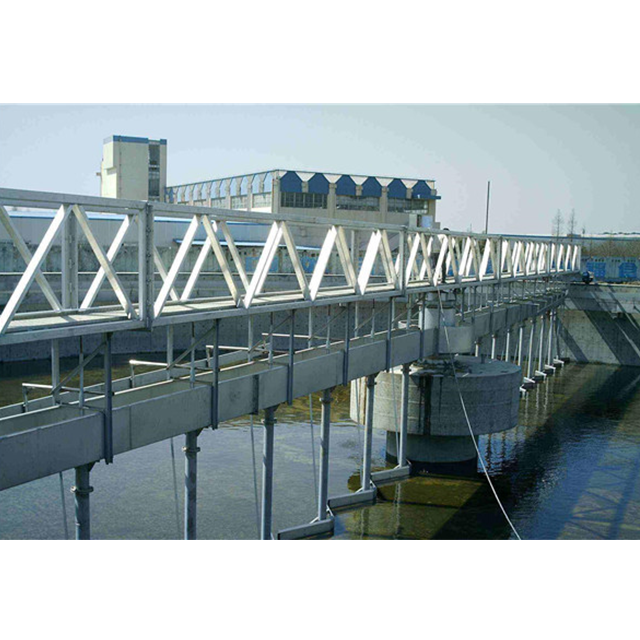
Selecting the right mechanical suite determines the long-term viability of a treatment plant. The industry relies on several standardized machines to handle the heavy lifting of primary separation.
● Bar Screens and Fine Screens: These act as the primary physical barrier. They capture large debris, rags, and plastics that would otherwise clog pumps.
● Grit Chambers and Classifiers: Mechanical systems designed specifically to settle out inorganic solids like sand and gravel.
● Dissolved Air Flotation (DAF) Systems: These units use micro-bubbles to float suspended solids and oils to the surface for skimming.
● Oil-Water Separators (OWS): Standard equipment for industrial sites, utilizing gravity or coalescing plates to isolate hydrocarbons.
● Equalization Tanks and Mixers: These use heavy-duty agitators to blend incoming waste streams, ensuring a steady pH and flow rate.
● Comminutors and Grinders: Instead of removing solids, these machines shred them into tiny particles to protect internal piping.
● pH Neutralization Systems: Automated skids that dose chemicals to bring acidic or alkaline water into a neutral range.
Machine Type | Primary Function | Target Pollutants |
Mechanical Screens | Physical Filtration | Rags, plastics, large organics |
Grit Classifiers | Sedimentation | Sand, gravel, heavy minerals |
DAF Units | Flotation | Emulsified oils, light solids |
Dosing Skids | Chemical Balancing | Acidic or caustic streams |
Modern facilities are moving away from manual labor toward automated wastewater pretreatment equipment. Automation reduces "blinded" screens and prevents overflows during storm events or high-production cycles.
Manual rakes are cheap but require constant operator presence. Mechanical bar screens use automated raking arms to clear debris based on differential pressure or timed intervals. This consistency is vital for maintaining steady hydraulic throughput.
For plants dealing with high volumes of debris—such as those near combined sewer overflows—multi-rake screens offer the highest cleaning frequency. They utilize multiple cleaning bars attached to a drive chain, ensuring the screen face is always clear.
Often found in food processing, rotary drum screens provide precision filtration. As the drum rotates, water passes through the mesh while solids are captured and discharged via an internal screw or spray bar. They are excellent for recovering valuable byproducts like fruit skins or grain.
These machines use a unique "stepping" motion to lift solids up a staircase of thin plates. They are virtually self-cleaning and offer a very small footprint compared to traditional rake systems, making them ideal for retrofitting older plants.
Note: Fine screens with openings smaller than 6mm are increasingly required to protect Membrane Bio-Reactors (MBR) from hair and fiber damage.
Grit is the enemy of rotating equipment. Without robust wastewater pretreatment equipment to remove sand, pump seals and impellers will erode within months.
These units use a circular flow pattern to create a vortex. The centrifugal force sends heavy grit to the outside wall and down into a collection hopper, while lighter organic matter stays in the main flow. They are highly efficient and occupy very little space.
By introducing air, these chambers create a spiral flow. The air adjusts the density of the water, allowing heavier grit to settle while keeping lighter organic particles in suspension. This prevents the grit from becoming "septic" and smelling bad during storage.
Once grit is removed, it often contains organic "shmoo." Grit washers use clean water and agitation to separate the organics from the minerals. The resulting clean sand is easier to dewater and cheaper to dispose of at landfills.
FOG can solidify in pipes and coat biological media, suffocating the "good" bacteria. Specialized wastewater pretreatment equipment is necessary to handle these buoyant pollutants.
Dissolved Air Flotation is the most versatile machine for industrial pretreatment. It excels at removing chemically treated solids and emulsified oils. By injecting air-saturated water under pressure, it creates bubbles that "stick" to pollutants, lifting them to the surface for mechanical removal.
Based on American Petroleum Institute standards, these long, rectangular tanks rely on the difference in specific gravity between oil and water. They are the workhorses of the petrochemical industry but require a large footprint.
Often integrated into larger tanks, these mechanical arms or rotating tubes "lick" the oil off the surface. They are simple, low-energy solutions for light hydrocarbon loads.
These machines use "packs" of corrugated plates. As oil droplets flow through the plates, they collide and merge into larger droplets, which float faster. This technology allows for a much smaller tank size than a standard API separator.
Note: If your DAF unit is producing a "thin" sludge, check your polymer dosing; improper flocculation often leads to poor flotation and excessive water in the waste.
You cannot buy wastewater pretreatment equipment off the shelf without considering the specific chemistry of your waste stream.
Corrosive wastewater from chemical plants requires 316 stainless steel or duplex alloys. Conversely, municipal waste might only require 304 stainless steel. Matching metallurgy to the liquid prevents premature equipment failure.
Machines must be sized for "Peak Hourly Flow," not just the average. If a screen is undersized, it will bypass during a heavy rain, sending debris into the rest of the plant.
In urban environments, vertical space is often more available than horizontal. Modular, vertical machines like step screens or vortex grit removers are preferred in tight mechanical rooms.
A cheaper machine with high spare part costs is a bad investment. Look for units with easy access points for lubrication and wear-part replacement.
Investing in premium wastewater pretreatment equipment pays for itself through operational savings.
● Extending Life of Biological Reactors: By removing 90% of solids early, you prevent "sludge poisoning" and ensure your aeration tanks don't fill up with sand.
● Reducing Chemical Consumption: Cleaner water requires less coagulant and disinfectant. This lowers the monthly chemical bill significantly.
● Energy Efficiency Gains: Removing solids reduces the "Oxygen Uptake Rate" (OUR) in secondary treatment. This means your blowers don't have to work as hard, saving thousands in electricity.
The future of wastewater pretreatment equipment is digital and decentralized.
Modern screens now feature ultrasonic sensors that monitor head loss. They "talk" to the control center, predicting when a screen might fail before it actually happens.
For factories that need to scale quickly, "Plug-and-Play" skids are the answer. These units come pre-wired and pre-piped inside a shipping container, allowing for installation in days rather than months.
We no longer view pretreatment waste as "trash." High-efficiency screens can capture organic solids that are then sent to anaerobic digesters to create biogas, turning a waste stream into a power source.
Effective wastewater pretreatment equipment serves as the vital foundation for every successful treatment strategy. By combining advanced screens and DAF units, facilities protect assets and ensure environmental compliance. Changzhou Aoteng Environmental Engineering Co., Ltd. provides high-performance machinery designed for long-term reliability and operational value. Their expert solutions balance initial costs with superior durability. Consult with their engineers to customize a pretreatment train that fits your specific industrial needs.
A: This machinery removes abrasive grit and large solids to prevent catastrophic damage to expensive downstream biological systems.
A: Common units include mechanical bar screens, grit classifiers, and Dissolved Air Flotation (DAF) systems for oil removal.
A: You must match machine metallurgy and flow capacity to your specific influent characteristics and daily peak loading requirements.
A: Yes, removing organic loads early reduces the energy demand on aeration blowers and secondary treatment processes.


